

 Helping Your ChildFeel Calm,
Confident andUnderstood
Start with a Quick Assessment
Behavior is a way to express perceptions, which can vary from one child to another.
Children fluctuate according to situations they are going through. Sometimes, emotions like frustration, anger, happiness, irritation, feel overwhelming for some children.
Behavioral Therapy helps control those uncontrolled emotions through healthier emotional expression, better routines, that builds stronger confidence.
What Is BehavioralTherapy
Behavioral Therapy is a process of understanding children and their own behaviors. The therapy helps to manage behavior and helps to bring out positive responses to everyday life.
Children are usually attention seekers; they need attention in whatever they are saying, the same happens for emotional regulation, frustration, social behavior, or adapting to routines. But some of them show more than they expected, which can be understandable to the parents but not for others.
With right guidance and support, the behavioral imbalance can be improved.
Emotional Outbursts
Routine Challenges
Social Struggles
Behavior Changes
Moments Where Parents Pause
- When the child shows frequent meltdowns or emotional outbursts.
- When the child shows difficulty following routines or instructions
- When the child shows trouble adjusting to school or social settings
- When the child shows challenges with attention or impulsive behavior
- When the child shows withdrawal or sudden behavior changes
How Parents Can Support At Home
- Stay calm and patient during such situations.
- Listen before correcting.
- Build simple routines for your child.
- Encourage emotional expressions without fear.
- Celebrate small improvements.
How Purple. Supports
At Purple. Behavioral Therapy not just focuses only on children, but on family around them.
We support emotional growth through :
- A dedicated Therapy Success Manager
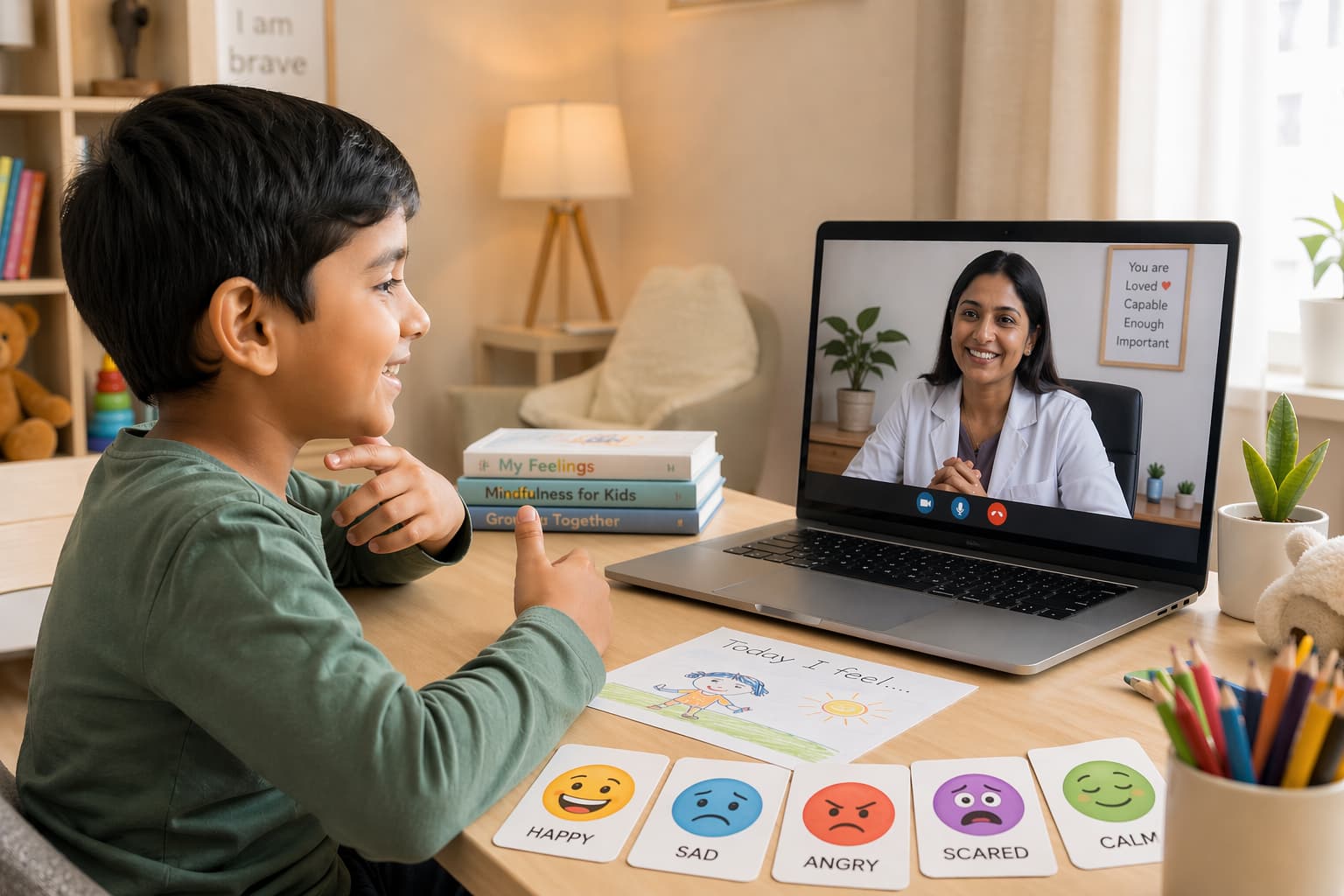
- Personalized behavioral therapy sessions online
- Parent guidance for everyday routines and emotional support
- Support across home, school, and daily environments
- Regular progress reviews and thoughtful adjustments
Because behavior improves best when support feels shared.
A Small Note to Parents
Behavior can be quiet or loud, subtle or expressive…each child is unique.
When things feel overwhelming, pause rather than push.