
Learn and Grow With Your Child
- Listen To Them
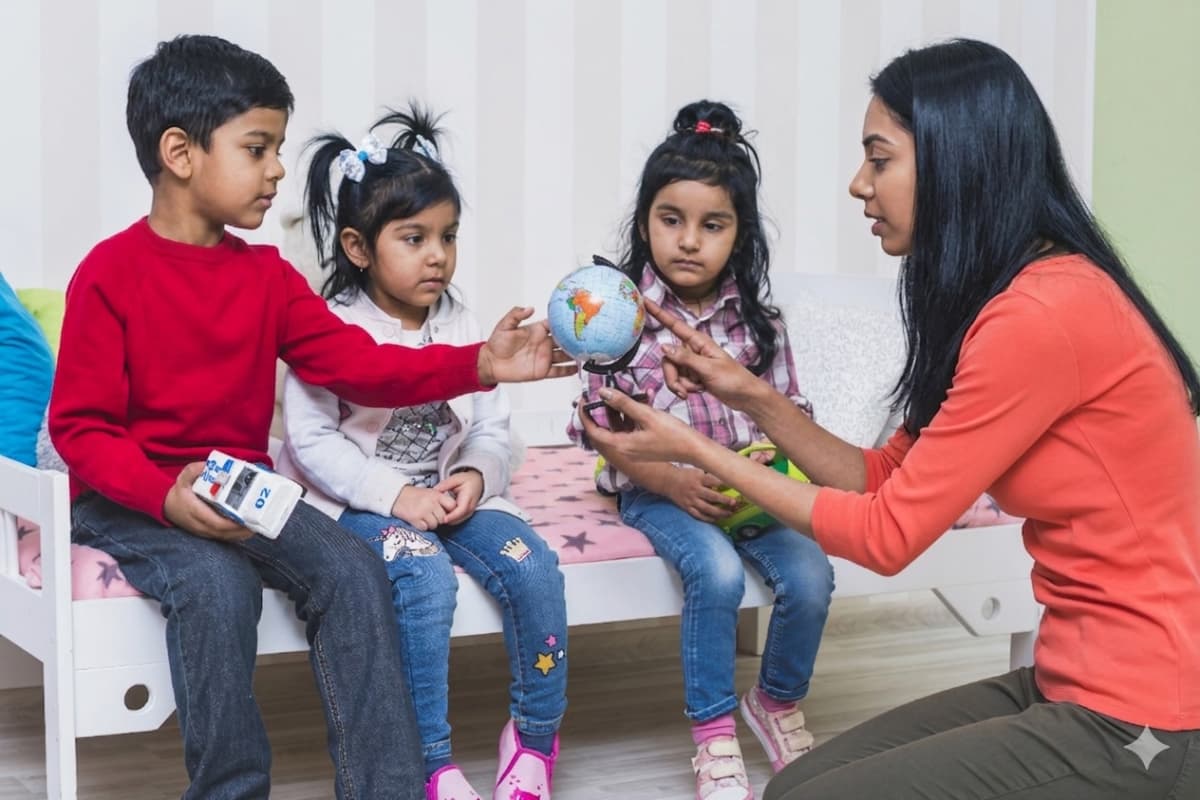
Children crave attention, they will be frustrated when they aren't heard. So get down to your child and speak while maintaining eye contact with them. This improves their confidence to talk with others while looking straight at their eyes.
- Ask Children Open Ending Question
Children are a book of stories, they have infinite fairy tales to say. Don't ask them questions that end with ‘yes’ or ‘no’. Instead ask them what, why, and how questions, which creates an opportunity to speak up the whole story rather than stopping in one or two words.
- Read Them Stories
Books, stories, and journals will improve the vocabulary and pronunciation in children. Read them the stories with emotions and exclamations to create an ambience of imagination, where they can create their own imaginary characters, form ideas and thoughts.
- Activate Their Daily Journaling
Encourage them to do daily journals. To write about their daily happenings, good, bad, and sweet things. This will upgrade their writing skills and thinking potentiality.
- Play With Them
Give them a situation and ask them to act this or that in their own way. The activity makes children active to do the roles and responsibilities in a better way.
- Use Excitements And Exclamations While Speaking:
Children often say something to their parents in order to get compliments. They are expecting the “wow” response from the parents. Try to use it while your child says something interesting or big things happened during that day.
For example: when your child says: “Mom, I have completed the homework today by myself”. Respond in this way: “Wow that's amazing baby, continue the same every day, I know you are a good girl” These acknowledgements make them proud and uplift the relationship.
Be A Friend To Your Child
Communication is a continuous process, it develops in different ways, some may face difficulties while going through it. But with the right support and guidance from parents it can be improved a lot.
Stay positive, gentle, and kind to them. Incorporate do and don'ts in a healthy way without hurting them.
Be a friend that they can talk to and show all their vulnerabilities to you.